
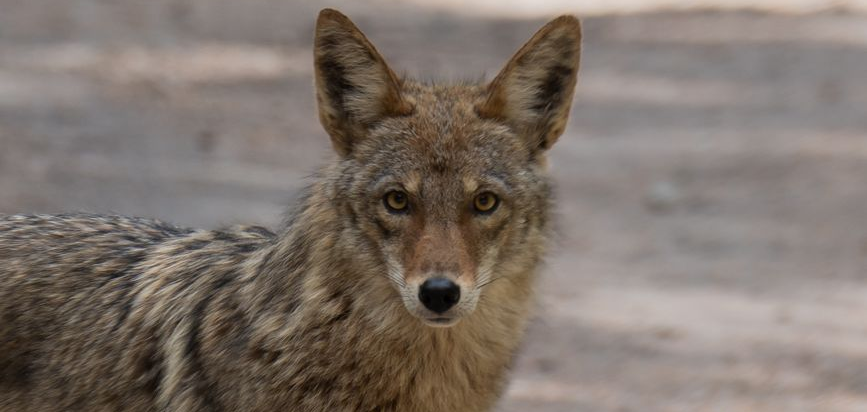
Following up on our earlier note about the coyote spotted near the north end of Loch Ness Drive, the board reached out directly to the Florida Fish and Wildlife Conservation Commission (FWC) for guidance. Here’s a summary of their official recommendations for coexisting safely with coyotes in our neighborhood.
The bottom line hasn’t changed: this is not cause for alarm. Coyotes are common across South Florida, and a sighting on its own doesn’t require a call to anyone. But a few simple precautions go a long way.
1. Secure attractants
Coyotes come around because of easy food sources. Bring in pet food and bird seed overnight, keep garbage cans closed, and pick up fallen fruit. Feeding coyotes is illegal in Florida (Rule 68A-4.001) — if you suspect someone is feeding one, FWC’s Wildlife Alert Hotline is (888) 404-3922.
2. Protect small pets
Accompany pets outside even in a fenced yard, and use a short (6 ft) leash — especially at dawn and dusk. A “catio” is a good option for giving cats safe outdoor access.
3. Haze, don’t ignore
If a coyote lingers or gets close, reinforce its natural fear of people: yell, clap, bang pots and pans, spray with a hose, or use a motion-activated sprinkler or alarm in your yard. Don’t run.
4. Know the signs of illness
Florida coyotes frequently carry mange, a skin condition that causes hair loss and more daytime activity as they seek easier food sources. Coyotes can also carry rabies or distemper. If you see a coyote that looks sick, injured, or dead, do not approach it, and keep children and pets away.
When to call FWC
Report a coyote to FWC’s Statewide Line — (888) 404-3922 — if it:
- Approaches people or shows no fear of humans
- Appears sick, injured, or disoriented
- Acts aggressively — chasing joggers, cyclists, or pets
FWC notes that a sighting alone doesn’t meet their official “nuisance” definition — that requires property damage, a threat to public safety, or aggressive behavior. Removal or trapping is only considered for coyotes that meet that bar, and it’s discouraged as a first step since it rarely resolves the underlying issue.
Want to learn more?
FWC hosts a free monthly virtual presentation on coyote biology and coexistence, and offers printable brochures in English and Spanish.