
🦕 🐊 Living with Alligators — Safety Information for Loch Ness Residents
Why Alligators Are in Our Waterways
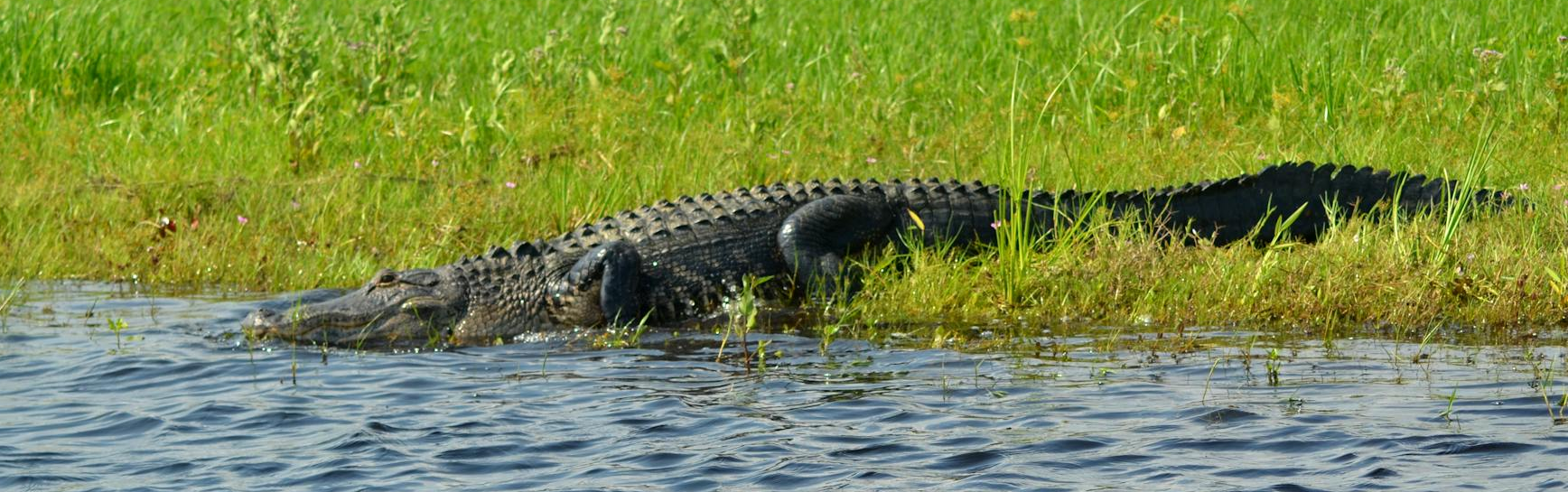
Alligators are a natural part of Florida’s ecosystem. Our C8 canal connects to larger water systems including Loch Doon Pond and the Loch Ness lake, which means wildlife — including alligators — may occasionally pass through our community.
Alligators have lived in Florida for millions of years and play an important role in maintaining healthy wetland ecosystems. Seeing an alligator in our waterways is not unusual and is generally not cause for alarm — as long as residents follow basic safety precautions.
🦕 Living near water in Florida is a beautiful privilege — but it means sharing space with native wildlife. With awareness and respect, we can safely enjoy our waterways.
⚠️ Most Important Rule: NEVER FEED ALLIGATORS
Feeding alligators is illegal in Florida and extremely dangerous. When alligators are fed, they lose their natural fear of humans and begin to associate people with food. This can lead to aggressive behavior and often results in the alligator being removed and euthanized.
Florida Statute §372.667: It is a second-degree misdemeanor to intentionally feed or entice alligators. Violators face fines up to $500 and/or up to 60 days in jail.
Safety Guidelines for Residents
✅ DO:
- Keep pets and children away from the water’s edge
- Keep dogs on leashes near the canal and lake (especially small dogs)
- Maintain a safe distance (at least 30 feet) if you see an alligator
- Swim only during daylight hours
- Be especially cautious during alligator mating season (April–June)
- Report aggressive or threatening alligators immediately
- Observe alligators from a safe distance — they are part of Florida’s natural beauty
❌ DON’T:
- Feed alligators or leave food near the water
- Swim at dawn, dusk, or night when alligators are most active
- Allow pets to swim in or drink from the canal or lake
- Approach, harass, or attempt to touch an alligator
- Throw objects at alligators
- Assume smaller alligators are harmless — all alligators can be dangerous
- Attempt to capture or remove an alligator yourself
🚨 See a Problem Alligator?
If an alligator shows aggressive behavior, approaches people or pets, or poses an immediate threat:
📞 FWC Nuisance Alligator Hotline
866-FWC-GATOR (866-392-4286)
Florida Fish and Wildlife Conservation Commission (FWC)
Available 24/7
When you call, FWC will dispatch a contracted nuisance alligator trapper if necessary. Do not attempt to trap, move, or harm an alligator yourself.
Other Reporting Options:
- Miami-Dade 311: (305) 468-5900 — for non-emergency wildlife concerns
- Emergency (immediate danger): Call 911
What is a “Nuisance” Alligator?
According to the FWC, a nuisance alligator is one that:
- Is at least 4 feet in length, AND
- Poses a threat to people, pets, or property
Simply seeing an alligator does not make it a nuisance. Alligators are generally shy and will avoid humans. However, if an alligator:
- Approaches people or pets
- Shows aggressive behavior (hissing, charging)
- Is found in a swimming area, backyard, or other high-traffic area
- Has been fed by people and lost its natural fear
…then it should be reported to the FWC Nuisance Alligator Hotline.
📚 Educational Resources
The Florida Fish and Wildlife Conservation Commission provides excellent educational materials about living safely with alligators:
🌐 Complete Guide
Living with Alligators
Comprehensive FWC resource covering behavior, safety, and what to do if you encounter an alligator.
📄 Safety Brochure
Alligator Safety Brochure (PDF)
Bilingual (English/Spanish) printable brochure with safety tips for people and pets.
🎥 Video & Infographic
FWC Educational Materials
Video guide and visual infographic on alligator behavior and safety.
🗣️ Spanish Resources
Consejos de Seguridad
Safety tips for people and pets in Spanish (Consejos de seguridad para personas y mascotas).
Alligator Behavior & Biology
When Are Alligators Most Active?
- Time of day: Dawn, dusk, and nighttime
- Season: Warmer months (April–October), especially during mating season (April–June)
- Weather: Warm, humid conditions
How Big Do Alligators Get?
- Average adult male: 11–12 feet, 450–600 lbs
- Average adult female: 8–9 feet, 200–300 lbs
- Record size in Florida: 14+ feet
What Do Alligators Eat?
Alligators are opportunistic feeders. Their natural diet includes:
- Fish, turtles, and snakes
- Birds and small mammals
- Occasionally larger prey like deer (for large alligators)
Important: Small pets can be mistaken for natural prey. Always keep pets away from the water’s edge and on leashes near canals and lakes.